During July 2026, gas quantities entering the National Natural Gas Transmission System (NNGTS) demonstrated significant upward momentum.
Filter insights by:
Popular topics
Featured insights
The adoption of the Crypto-Asset Reporting Framework (CARF) and the updated Common Reporting Standard (CRS 2.0) through the EU Directive DAC8 marks a significant evolution in the international tax reporting landscape.
Pay transparency is rising steadily on the European and national agenda. With the introduction of the EU Pay Transparency Directive, the principle of equal pay for equal work or work of equal value is strengthened and transparency obligations for employers are enhanced.
Our latest insights
New perspectives on risk and reward: In 2017, leadership teams are grappling with new conditions of global risk.
In the push to become transparent, businesses are disclosing vast swathes of information about themselves – yet many are becoming more opaque as a result.
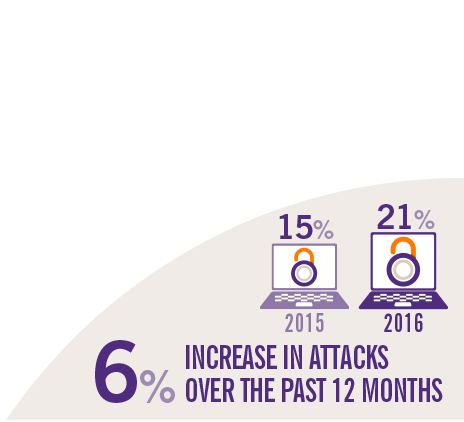
A lack of awareness is fuelling the surge in cyber crime but there are pragmatic steps that organisations can take.
The IASB has published 'Applying IFRS 9 Financial Instruments with IFRS 4 Insurance Contracts’ which makes narrow scope amendments to IFRS 4 'Insurance Contracts' ('the Amendments'). The Amendments provide temporary accounting solutions, for entities that issue insurance contracts, for the practical challenges of implementing IFRS 9 'Financial Instruments' before the forthcoming insurance contracts Standard.
Blockchain technology already plays a crucial role in the financial services sector. Now interest from other industries is on the rise, says Luis Pastor, IT consulting and innovation Partner, Grant Thornton Spain.
Your board has a crucial role to play in steering your company to long-term success. To be the best it needs to focus on three Ds: diversity, digital and development
Many emerging economies still face tough social challenges but beyond the negative headlines, there is great investment potential for businesses to tap into.
More and more large businesses are investing in innovative mid-market companies as a shortcut to R&D. For investees, corporate venturing can offer a stable route to accelerated growth.
The largest six global accounting networks release a paper summarising expectations regarding implementation of IFRS 9 impairment requirements for systemically important banks.
Introducing innovations such as artificial intelligence into your supply chain takes time and effort but it can help you leapfrog the competition.
The European economy, still continuing its economic recovery after the 2008 financial crisis, faces many potential risks. Though varied, they fall into two broad categories. Firstly, a band of social and political pressures which are driving media headlines: a potential ‘Brexit’, the migrant crisis and the continued rise of nationalist sentiment. Secondly, we have economic issues that have been present for a good few years: high unemployment, low inflation and persistently low economic growth.
The healthcare sector is still experimenting with using big data but, as Anne McGeorge the national managing partner of healthcare at Grant Thornton US shares, it already has plenty to teach us about the benefits and challenges of big data analytics.
Broad reforms in the country’s social security and pension systems were voted for by the Greek Parliament. The approved legislation also introduced amendments in the existing tax system, some of which seem incompatible with the concept of uniform taxation on income derived from the same source. Indicatively, the tax rate applicable to partnerships (with turnover up to €1,5m) is significantly lower (up to 16%) than the relevant rate applicable to self-employed individuals performing the same business activity.
Cities face tough competition for business investment if they are not national capitals. What can they do to put themselves in the running?
Indirect taxation is becoming ever more complicated, varied between jurisdictions and prone to government tinkering. With some of the biggest tax reforms occurring within indirect tax, getting on top of the complexity and change is vital.
Mid-market businesses should feel empowered to ask for better service from their bank, says the Swedish lender that is challenging established global players.