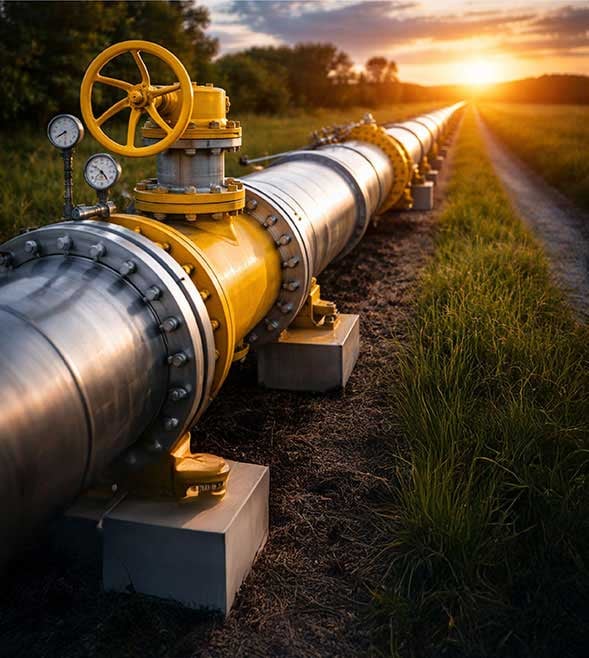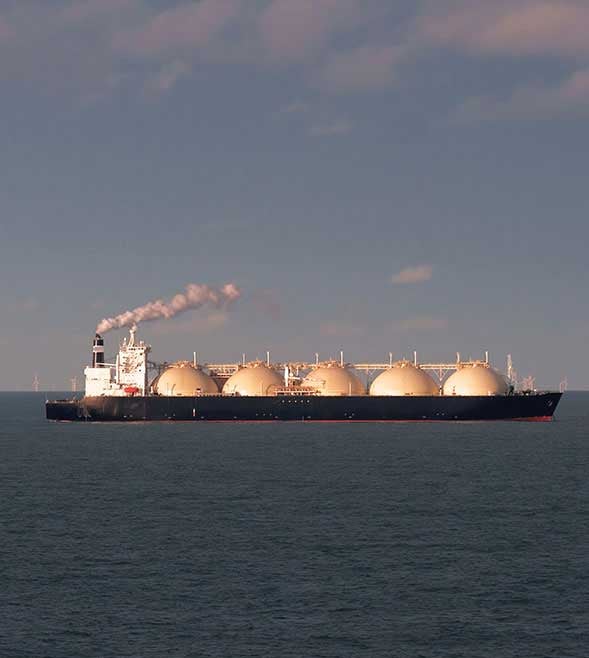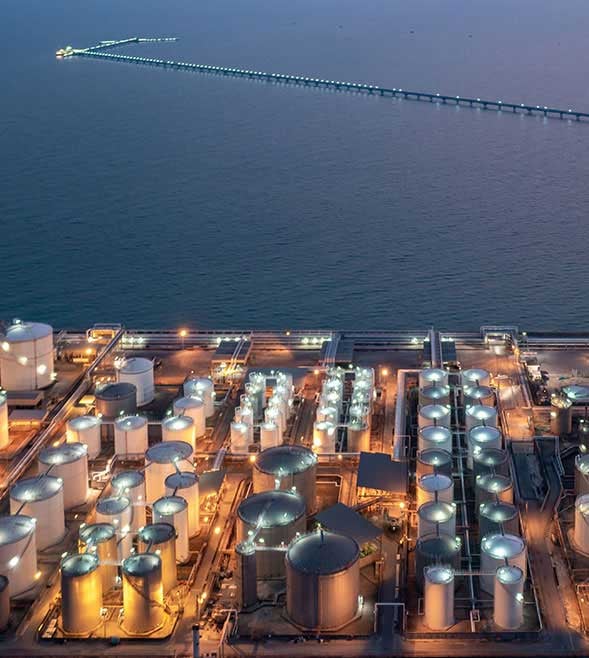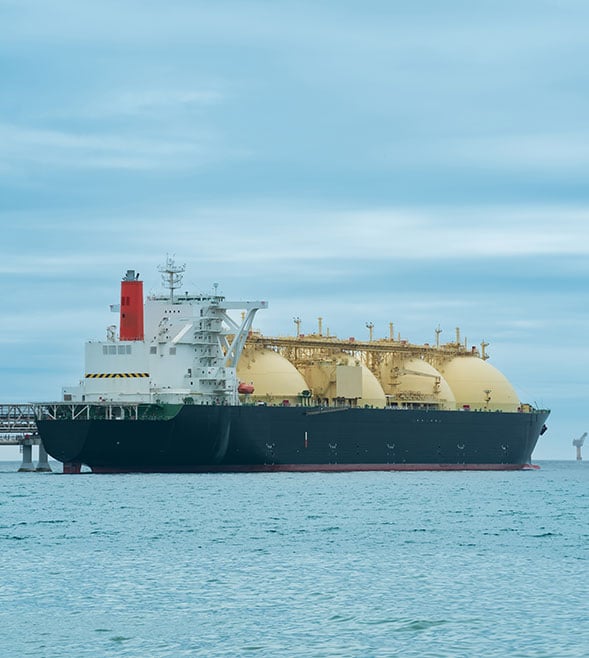
Europe is entering winter 2026/27 with lower gas stocks and higher prices than at any point since the 2022 energy crisis, this time because of a disruption to LNG rather than to pipeline supply.
Filter insights by:
Showing 16 of 17 content results
The strategic resilience of the Greek gas market is predicated on the optimization of its supply dualism: the baseline stability of fixed pipeline infrastructure and the high-degree flexibility afforded by LNG imports.
During July 2026, gas quantities entering the National Natural Gas Transmission System (NNGTS) demonstrated significant upward momentum.
Businesses, especially those for which energy costs are a significant portion of operating expenses, seek stable, predictable, and competitive electricity costs.
Greece is currently navigating a fundamental strategic shift in its energy sourcing, characterized by a transition from traditional pipeline-heavy reliance toward a flexible, LNG-centric import model.
In May 2026, the Greek natural gas market reached a critical inflection point, characterized by a 20% month-over-month (MoM) surge in total NNGTS entries, rising from 5 TWh to 6 TWh.
Greece’s battery energy storage (BESS) market is moving rapidly from policy ambition to strategic necessity.
An inside look at the Greek energy market: analyze the dual-pillar supply strategy, infrastructure utilization trends, and growing renewable energy penetration.
Among the most defining episodes in this history is the 1973 oil crisis, that reshaped energy policy, economic planning, and international relations.
On 26 February 2025, the European Commission published the “Communication on the Clean Industrial Deal: A joint roadmap for competitiveness and decarbonisation”, announcing the adoption of a new state aid Framework in the second quarter of 2025.
IPCEIs, as a specific EU State aid instrument, may significantly contribute to economic growth, jobs, the green and digital transition, and competitiveness for the EU industry and economy.
Recognizing the pivotal role of renewable and low-carbon gases for the decarbonization of the EU's economy, Grant Thornton Greece, together with Mercados Aries International, conducted the first research on CESEC's region potential for renewable and low-carbon gas deployment.
In order to mitigate climate change and meet the targets set under the European Green Deal, the European Union (EU) presented a package of legislative proposals titled "Fit for 55" in July 2021.
The Greek NECP has set very ambitious targets for Energy Storage with 5.6 GW up to 2030, a capacity much needed to integrate the very large amounts of variable RES and enhance system flexibility
Greece's focus on green transition & renewable energy under NECP aims to achieve energy targets via investment tools, including the Recovery & Resilience Fund, while upgrading networks for RES, energy storage & green hydrogen.
Today marks World Environment Day. With 47 years of history, this day is dedicated to encouraging awareness and action to protect the environment.