Greek Natural Gas Market report | May 2026
ENERGY & RESOURCESIn May 2026, the Greek natural gas market reached a critical inflection point, characterized by a 20% month-over-month (MoM) surge in total NNGTS entries, rising from 5 TWh to 6 TWh.
28 Jul 2026 4 min read
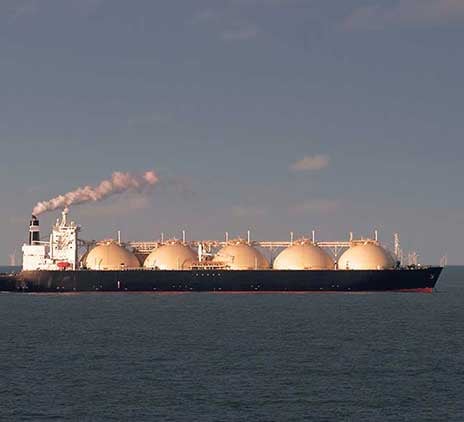
Greece is currently navigating a fundamental strategic shift in its energy sourcing, characterized by a transition from traditional pipeline-heavy reliance toward a flexible, LNG-centric import model. This evolution is vital for ensuring national energy security and resilience against the backdrop of significant geopolitical volatility in transit routes and the ongoing phase-out of Russian gas. By balancing its supply portfolio between the National Natural Gas Transmission System (NNGTS) pipeline entries and the Agia Triada (Revithoussa) LNG terminal, Greece is successfully insulating its domestic market from single-source dependency and regional supply disruptions.
The performance in June 2026 highlighted this shift, with LNG imports securing a dominant 56% share of the total mix compared to 44% for pipeline gas. The "So What?" behind this data is found in the sharp 39% month-on-month drop in pipeline volumes, which contracted from ~4.1 TWh to ~2.5 TWh. This decline—driven largely by reduced flows at the Sidirokastro entry point—has elevated the strategic importance of the Revithoussa terminal. As the nation’s primary energy gateway, Revithoussa provides the essential liquidity and supply flexibility required to stabilize the grid and satisfy domestic demand.
This reconfigured supply mix serves as the foundation for addressing the nation's sectoral consumption requirements and its growing role as a regional export partner.
The Greek natural gas market displayed a complex demand profile in June 2026, with total exit flows experiencing a slight 4% month-on-month decline even as they maintained a robust 15% year-on-year growth. Analyzing this demand structure is critical for future infrastructure planning, as it reveals how the transmission network must adapt to volatile sectoral shifts and the evolving requirements of both domestic and international stakeholders.
Power Generation remains the anchor of the Greek gas market, utilizing 65% (~3.7 TWh) of all gas exiting the transmission system. The "So What?" for this sector is tied to the variability of the energy transition: intermittent Renewable Energy Source (RES) curtailments necessitated a 22% increase in gas-fired generation demand to ensure grid frequency and stability. Furthermore, Greece’s strategic importance within the "Vertical Corridor" was underscored by export performance; while monthly exports reached 0.7 TWh, the H1 2026 surge to 8.7 TWh (up from 2.9 TWh in H1 2025) indicates that half-year export volumes have already surpassed the full-year levels of the previous period.
These national demand drivers are complemented by the granular performance of regional distribution networks, which provide a clear view of domestic integration.
The expansion of the domestic distribution footprint remains a strategic priority, focusing on deepening penetration within the industrial heartlands of Central Greece and Central Macedonia. This expansion is designed to enhance economic competitiveness by providing reliable energy access to large-scale industrial consumers across the Enaon EDA and Hengas networks.
Industrial use currently defines the distribution landscape, representing 70% of total consumption. However, the "So What?" for this segment involves a critical challenge: high inventory costs and geopolitical instability have begun to pressure industrial competitiveness, leading to a 15% month-on-month decline in industrial consumption during June. Despite these headwinds, the continued activation of delivery points across major regions suggests a long-term commitment to network growth and industrial integration.
Subscribe here to receive our newsletters



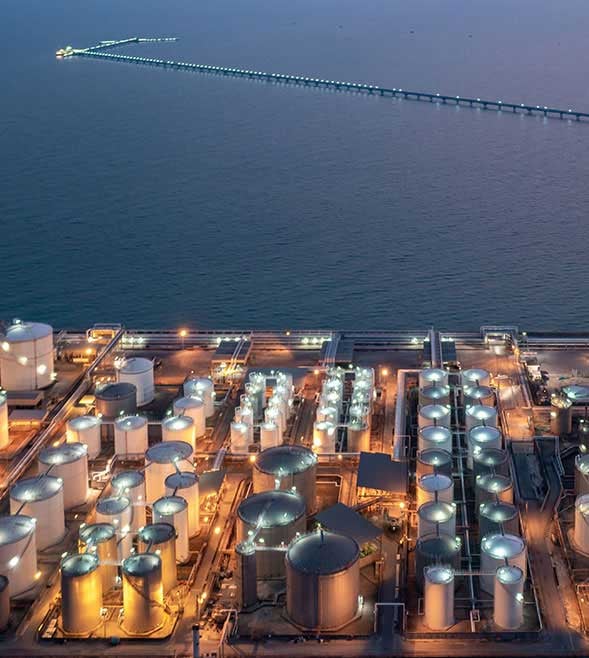
In May 2026, the Greek natural gas market reached a critical inflection point, characterized by a 20% month-over-month (MoM) surge in total NNGTS entries, rising from 5 TWh to 6 TWh.

An inside look at the Greek energy market: analyze the dual-pillar supply strategy, infrastructure utilization trends, and growing renewable energy penetration.

Greece’s battery energy storage (BESS) market is moving rapidly from policy ambition to strategic necessity.
